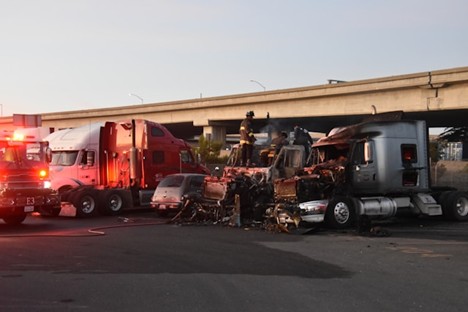
In the U.S. trucking industry, ensuring driver safety is paramount, and federal drug and alcohol testing regulations play a critical role in maintaining road safety. Despite these safeguards, violations, mismanagement, and procedural errors still occur. For accident cases, a trucking expert witness often examines whether such violations contributed to a crash, highlighting gaps in compliance that can have serious consequences.
Understanding Federal Drug and Alcohol Regulations
The Federal Motor Carrier Safety Administration (FMCSA) establishes strict drug and alcohol testing requirements for commercial motor vehicle (CMV) drivers. These regulations are intended to prevent impaired drivers from operating trucks and buses, thereby reducing accidents and protecting both the driver and the public. Under the FMCSA, drivers must comply with pre-employment, random, post-accident, reasonable suspicion, and return-to-duty testing protocols.
Pre-Employment Testing: Before a new driver can operate a commercial vehicle, they must undergo drug testing. Employers cannot allow a driver to perform safety-sensitive functions until a negative test result is received.
Random Testing: Random drug and alcohol testing is conducted throughout the year to deter substance use. Federal regulations require a minimum of 25% of drivers to be randomly tested for drugs and 10% for alcohol annually.
Post-Accident Testing: If a driver is involved in a qualifying accident, such as one resulting in a fatality, injury requiring medical treatment, or a vehicle being towed, they must submit to testing within specific time frames.
Reasonable Suspicion Testing: Employers may require a test if there is a reasonable belief a driver is impaired, based on observed behavior or indicators such as slurred speech, erratic driving, or smell of alcohol.
Return-to-Duty and Follow-Up Testing: Drivers who previously violated drug or alcohol regulations must complete treatment programs and undergo testing before resuming safety-sensitive duties. Follow-up testing continues to monitor compliance.
Common Failures in Compliance
Despite federal regulations, testing programs often fail due to human error, insufficient training, or miscommunication. Common issues include:
Improper Collection Procedures: Failure to follow correct collection protocols can lead to contaminated or invalid samples. Errors can occur if collectors are not trained properly, chain-of-custody forms are incomplete, or samples are mishandled.
Delays in Testing: Post-accident or reasonable suspicion tests have specific time frames. For example, post-accident drug tests should occur within 32 hours, and alcohol tests within 2 hours. Delays can compromise results and regulatory compliance.
Inadequate Recordkeeping: Employers must maintain meticulous records of all drug and alcohol tests, including results, refusals, and corrective actions. Poor documentation can result in regulatory penalties and create legal vulnerabilities in accident investigations.
Failure to Conduct Random Testing Properly: Some employers fail to test the required percentage of drivers or do not select drivers randomly, undermining the integrity of the testing program.
Misinterpretation of Results: Errors in laboratory testing, reporting, or interpretation can result in false positives or negatives, potentially affecting drivers’ employment status and safety on the road.
Legal Implications of Testing Failures
Noncompliance with drug and alcohol testing regulations can carry significant legal consequences. For employers, violations can result in fines, citations, and increased liability in accident lawsuits. Drivers who fail or refuse tests may face suspension, termination, or revocation of their commercial driver’s license (CDL).
In litigation, failure to follow proper testing protocols can complicate cases. Courts may scrutinize whether an accident could have been prevented if the employer adhered to regulations. In such cases, an expert witness often examines compliance records, test procedures, and potential impairments to determine causation and liability.
Impact on Safety and Accident Prevention
When drug and alcohol testing programs fail, the risk of accidents increases. Alcohol impairs reaction time, judgment, and coordination, while controlled substances can affect alertness, focus, and decision-making. Even minor lapses in testing or enforcement create vulnerabilities that could lead to catastrophic crashes involving multiple vehicles or fatalities.
Maintaining a robust testing program not only protects public safety but also reinforces a culture of accountability. Drivers who know they are subject to random and post-accident testing are less likely to engage in risky behavior. Additionally, well-documented testing records can support accident investigations and insurance claims.
Best Practices to Prevent Testing Failures
Comprehensive Training: Ensure all personnel involved in drug and alcohol testing—including collectors, supervisors, and administrators—receive ongoing training on federal regulations, collection procedures, and documentation requirements.
Strict Chain-of-Custody Protocols: Maintaining an unbroken chain-of-custody for each specimen ensures sample integrity and legal defensibility.
Timely Testing: Employers must have clear procedures to conduct post-accident and reasonable suspicion testing within mandated time frames. Mobile testing units or pre-arranged lab partnerships can reduce delays.
Accurate Recordkeeping: Electronic tracking systems can help manage testing records, monitor random testing percentages, and ensure proper reporting of results to regulatory authorities.
Independent Audits: Periodic audits of the drug and alcohol testing program can identify gaps in compliance before they become liabilities. These audits should review collection procedures, laboratory certifications, and employee training records.
Driver Education: Inform drivers about testing requirements, consequences of noncompliance, and support resources for substance abuse issues. Transparency fosters trust and encourages voluntary compliance.

Challenges in Implementation
Despite best efforts, trucking companies face challenges in implementing flawless testing programs. Small fleets may lack dedicated safety personnel or resources, while larger operations may struggle with consistency across multiple locations. Differences in state regulations, varying laboratory protocols, and turnover among employees can complicate compliance.
Moreover, addressing violations requires sensitivity and legal expertise. Mishandling a positive test or refusing a test can lead to disputes, grievances, or litigation. Employers must balance regulatory compliance with fair treatment of drivers while maintaining safety standards.
The Role of Technology in Compliance
Technology has emerged as a valuable tool for reducing errors in drug and alcohol testing. Automated random selection programs, electronic recordkeeping, and digital reporting streamline compliance and minimize human mistakes. Mobile testing devices and rapid result reporting improve the speed and accuracy of post-accident testing.
Telematics and integrated fleet management systems also allow employers to monitor driver behavior, track incidents, and correlate potential impairments with operational data. These technologies can enhance safety while providing documentation in legal and regulatory contexts.
Preventing Failures in Trucking Drug and Alcohol Testing
Drug and alcohol testing regulations are a cornerstone of safety in the trucking industry, yet failures and mismanagement can have serious consequences for drivers, employers, and the public. Understanding common pitfalls, from improper collection procedures to delays and poor recordkeeping, enables companies to strengthen compliance, reduce risk, and protect both employees and the traveling public.
By implementing rigorous training, maintaining accurate records, leveraging technology, and fostering a culture of accountability, trucking companies can ensure their drug and alcohol testing programs operate effectively. Doing so not only prevents accidents but also reinforces the integrity of the commercial transportation industry, ultimately saving lives and minimizing legal exposure.
Legal exposure can be extremely costly and shutter a Motor Carrier’s operation in the blink of an eye. Further, it can imprison the CMV driver in addition to the possibility of the management.
Recently Truck Accident & Incident Experts testified in a case of litigation in Suwanee County, Florida in a crash where the CMV driver was under the influence, killing one and severely injuring another. The verdict came down after TAIE testified on the Plaintiff side, impartially, and a $77 million verdict was imposed against the Motor Carrier.
Operating a CMV in a manner of being intoxicated in many ways can destroy many people’s lives and a Motor Carrier needs to be able to demonstrate that they have complied with the FMCSR regarding the same if a CMV driver is found to be under the influence post-crash by Enforcement.